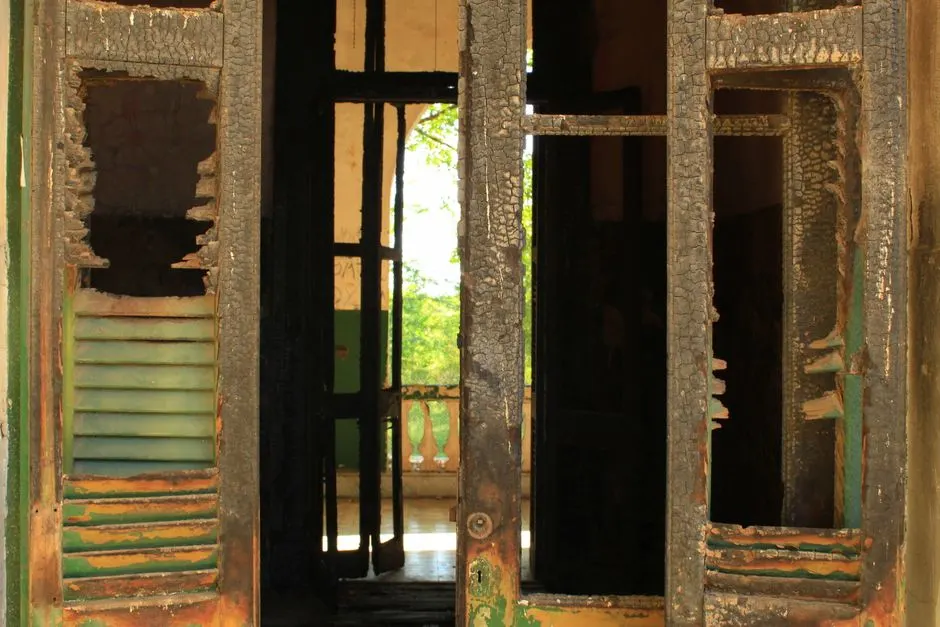
The signs of hidden fire damage behind walls after a small fire are often subtle: a faint charred smell that returns on warm days, paint that bubbles near an outlet, or drywall that crumbles when you press it. A fire that looked contained to one room can still push heat and smoke into wall cavities, attic chases, and electrical boxes where damage keeps spreading long after the flames are out. This post covers the specific signs we look for in Rancho Palos Verdes homes, how to check safely, and when to bring in a professional.
Why a small fire can still cause hidden damage
A small fire can cause hidden damage because heat travels through wall cavities, wire penetrations, and shared framing far beyond the visible burn zone. Drywall is a poor insulator. It looks intact while the paper facing on the back side chars and the gypsum core turns powdery.
Smoke behaves the same way. It moves through gaps around outlets, switch plates, plumbing penetrations, and the top plates where wall framing meets the ceiling. In a typical Rancho Palos Verdes home, those cavities run from the garage to the attic in one continuous path. Smoke that enters at a kitchen outlet can deposit soot 20 feet away inside a bedroom wall.
Heat also damages what you cannot see. Wiring insulation inside the wall can soften at temperatures as low as 200°F to 250°F, well below what it takes to ignite wood. A small stovetop fire that lasts 90 seconds can still push enough heat through a backsplash to damage the Romex running behind it. That is why a fire that looked minor on the surface sometimes requires fire and smoke damage restoration rather than a coat of paint.
What are the signs of hidden fire damage behind walls in Rancho Palos Verdes CA?
The signs of hidden fire damage behind walls in Rancho Palos Verdes CA include persistent smoke odor, discolored or bubbling paint, soft or crumbly drywall, tripping breakers, and soot streaks around outlets and trim. Any one of these after a small fire is reason to open the wall and look.
Here is what we check first when we walk into a home:
- Smoke odor that returns. If the smell fades for a few days and then comes back on a warm afternoon, smoke is still off-gassing from a wall cavity or attic insulation.
- Paint or wallpaper bubbling. Heat trapped behind drywall pushes moisture outward and blisters the finish. Bubbles near a stove, outlet, or fireplace are a strong indicator.
- Soft or chalky drywall. Press a screwdriver handle gently into the wall. If it dents easily or crumbles, the gypsum has been cooked.
- Breakers that trip. Heat-damaged wire insulation can cause intermittent shorts. A breaker that trips after a small fire is a fire-risk signal, not a nuisance.
- Dark rings around outlets and switch plates. Soot pushes through the smallest gaps. A gray halo on the plate usually means soot inside the box.
- Warped baseboards or door frames. Heat and water from extinguishing the fire both warp wood. A baseboard that pulls away from the wall near the fire room is worth investigating.
We also see a Rancho Palos Verdes-specific pattern: hillside homes with stucco exteriors and older galvanized or knob-and-tube wiring in the walls. Those cavities trap heat longer than modern construction and give smoke more places to settle. If your home was built before 1980, assume the wall cavity held heat longer than the surface suggested.
How to check for hidden fire damage in your Rancho Palos Verdes home
To check for hidden fire damage in your Rancho Palos Verdes home, start with your nose and your eyes, then use a moisture meter and a thermal camera before you open any wall. Do not open walls near gas lines or electrical panels yourself.
Here is the sequence we recommend:
- Walk the perimeter of the fire room. Look for soot shadows on the wall opposite the fire, and check the ceiling above the stove or heater.
- Smell test each room after 24 hours. Close the doors overnight. A room that smells strongly in the morning has smoke in its cavity or contents.
- Use a moisture meter. Firefighting water hides in wall cavities for weeks. A reading above 16% on drywall indicates trapped moisture, which leads to mold within 48 to 72 hours.
- Use a thermal camera. A cheap thermal camera shows hot spots and cold spots behind drywall. A cold spot often means water; a hot spot can mean an active electrical issue.
- Pull the outlet cover, not the outlet. Look inside the box with a flashlight for soot, melted insulation, or scorched wire nuts.
If you find soot inside an outlet box or smell smoke in a closet that shares a wall with the fire room, stop and call a professional. Opening a wall near damaged wiring is how small fires become big ones. Our team handles soot cleanup in Rancho Palos Verdes CA with containment in place so the rest of the house stays clean.
Smoke damage behind walls: what you cannot see
Smoke damage behind walls is often worse than the fire damage itself because soot is acidic and oily. It etches metal, stains framing, and leaves an odor that no amount of air freshener will fix.
Smoke residue inside a wall cavity has three components: soot particles, volatile organic compounds, and moisture. The soot sticks to framing and insulation. The VOCs keep off-gassing for months. The moisture feeds mold. Together they create the musty, campfire smell that returns every time the wall warms up.
We see this often in Fire Damage Restoration in Rancho Palos Verdes, especially in homes with vaulted ceilings and open attic chases. Smoke rises into the chase and settles on the back of the ceiling drywall. You cannot see it, but you smell it every time the furnace runs.
Cleaning the visible surface does not fix it. The wall cavity has to be opened, HEPA-vacuumed, and treated with a sealer that locks the remaining residue to the framing. In most homes, that means removing a 2-foot by 2-foot section of drywall at the source and inspecting the cavity with a camera before closing it back up.
Common mistakes homeowners make after a small fire
The most common mistake after a small fire is repainting over the damage before the wall cavity is dry and clean. Paint traps moisture and odor, and the problem comes back within a month.
Other mistakes we see regularly:
- Assuming the fire department's "all clear" means the house is safe. Firefighters check for active fire, not hidden heat or smoke in cavities.
- Running the HVAC system. This pulls soot into every duct and spreads it through the house. Turn the system off until the ducts are cleaned.
- Using a household fan to dry the room. A fan pushes soot into the air and into the wall cavity. Use a dehumidifier and air scrubber instead.
- Throwing away charred items before documenting them. Your insurance adjuster needs photos and a contents list before anything leaves the house.
- Waiting to call a pro because the fire was small. Hidden damage gets more expensive every week. Mold can start in 48 hours, and corroded wiring becomes a bigger repair.
If your home is in a hillside neighborhood like Miraleste Fire Damage Restoration, add one more item to the list: check the exterior wall on the downhill side. Heat and smoke often travel through the eave and into the wall cavity from the outside, which is easy to miss from inside the house.
When to call a professional for hidden fire damage
Call a professional when you smell smoke more than 48 hours after the fire, when a breaker trips, or when you find soft drywall or soot inside an outlet box. Those three signs mean the damage is inside the wall, not on it.
We use thermal imaging, moisture meters, and borescope cameras to map the damage before we open anything. That way you know exactly what is wet, what is charred, and what is clean. In a typical small-fire job, the inspection takes 60 to 90 minutes and tells you whether you are looking at a patch-and-paint repair or a full cavity restoration.
If you are not sure, call us. We would rather tell you the wall is fine than have you find out six months from now that it was not. Our team handles smoke cleanup in Rancho Palos Verdes CA and can be on-site the same day for most calls.
Frequently Asked Questions
What are the signs of hidden fire damage behind walls in Rancho Palos Verdes CA?
The main signs are persistent smoke odor, bubbling paint, soft drywall, tripping breakers, and soot rings around outlets. Any one of these after a small fire means the wall cavity should be inspected within 48 hours.
Can a small fire cause hidden damage in my Rancho Palos Verdes home?
Yes. A fire that lasts under two minutes can still push heat and smoke into wall cavities and damage wiring insulation. Hidden damage is common in homes with older wiring or vaulted ceilings, which describes many Rancho Palos Verdes properties.
How do I check for hidden fire damage in Rancho Palos Verdes California?
Start with a smell test after 24 hours, then check for bubbling paint and soot around outlets. Use a moisture meter and thermal camera if you have them. Do not open walls near wiring or gas lines yourself.
Is hidden smoke damage dangerous in Rancho Palos Verdes?
Yes. Soot is acidic and corrosive, and smoke residue off-gasses VOCs for months. Hidden smoke damage also traps moisture, which can lead to mold growth within 48 to 72 hours. It is a health and structural issue, not just an odor problem.
Who should I call for hidden fire damage in Rancho Palos Verdes CA?
Call a licensed fire damage restoration company that uses thermal imaging and moisture meters to inspect wall cavities. We handle hidden fire and smoke damage in Rancho Palos Verdes and can inspect your home the same day.
Get help with Fire Damage Restoration in RANCHO PALOS VERDES
If you suspect hidden fire damage behind your walls, call Fire Damage Restoration Rancho Palos Verdes at (833) 929-6186. We inspect the cavity, document what we find, and give you a clear plan before any work begins.